Dog-friendly spaces are becoming more common than ever, with cafés, hotels and businesses across the UK welcoming four-legged visitors. But Yellow Dog UK is encouraging people to look beyond simply allowing dogs inside — and consider whether these spaces truly work for every type of dog.
The charity, which raises awareness of “Yellow Dogs” — dogs that may be nervous, reactive, recovering from surgery, in training or simply uncomfortable with close contact — is highlighting an important question in the growing dog-friendly movement: are these spaces designed around dogs’ needs, or mainly around the expectations of the people bringing them?
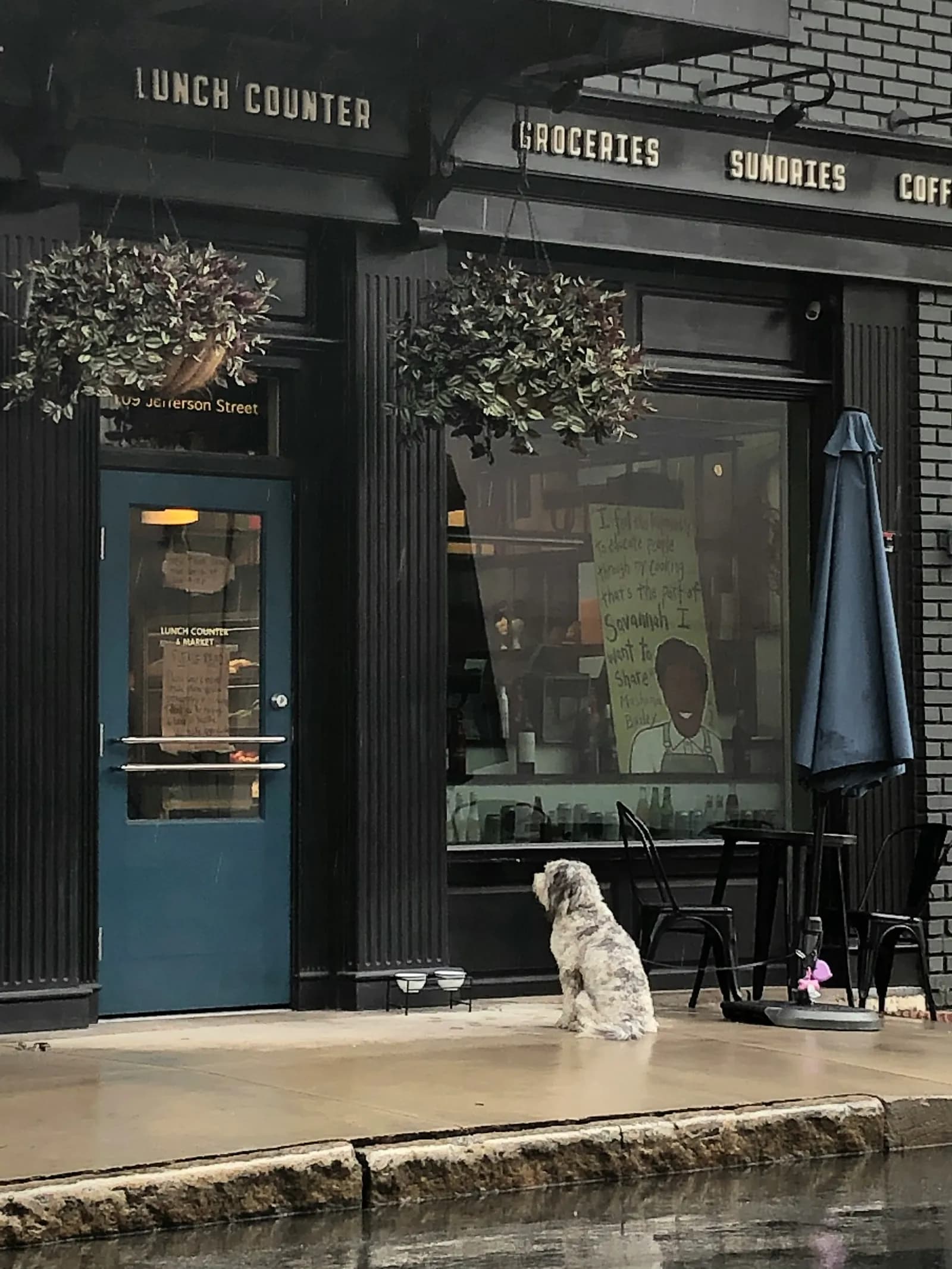
Over the past decade, attitudes towards dogs in public spaces have changed dramatically. Restaurants, cafés and hotels have increasingly adapted to welcome pets, recognising the close relationship many people have with their animals. But while the intention is positive, not every dog experiences these environments in the same way.
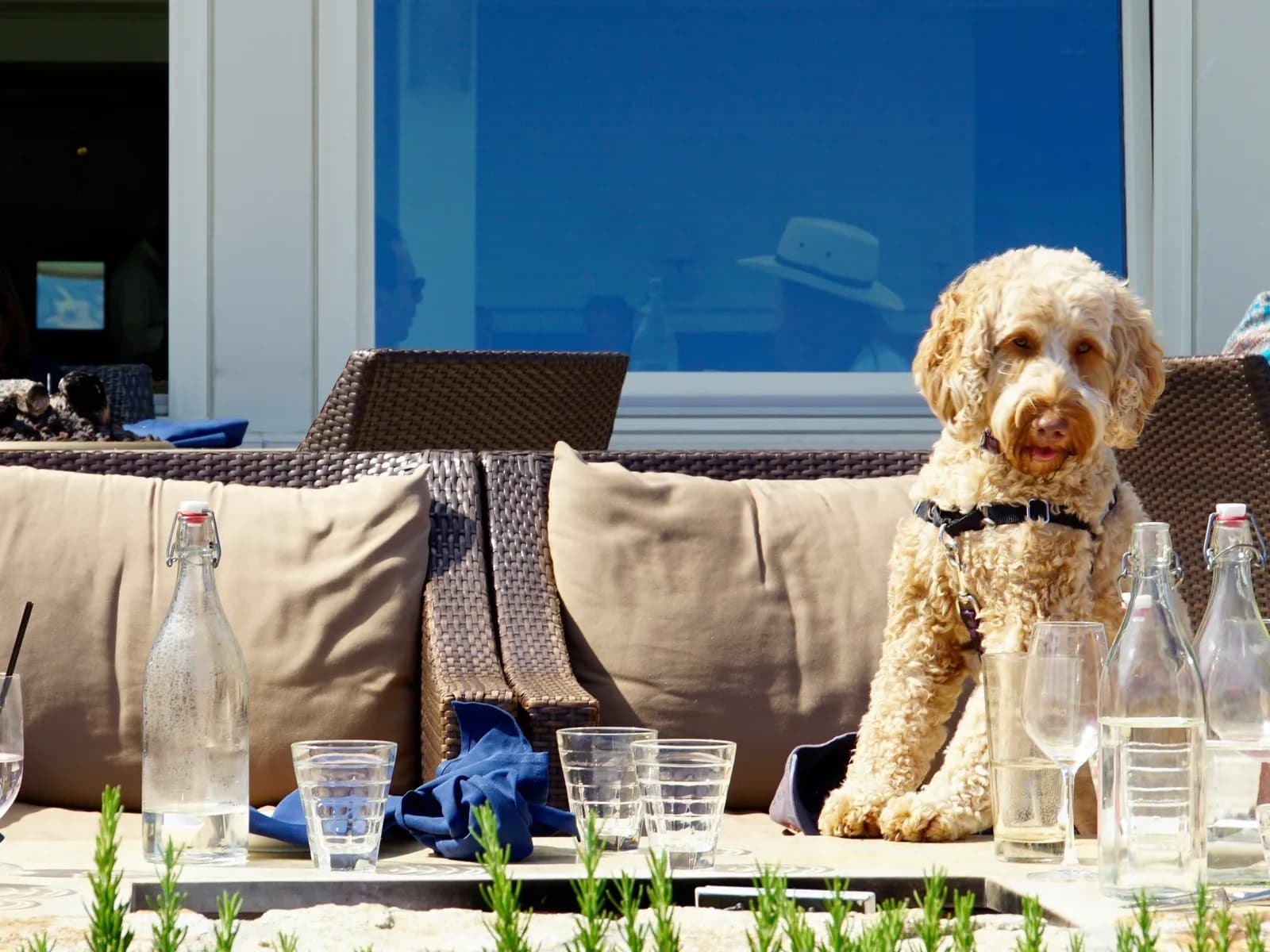
A busy café terrace might be the perfect setting for a confident dog who enjoys attention and new experiences. However, for an older dog, a rescue dog or one that feels overwhelmed by crowds and unfamiliar interactions, the same space can create a very different experience.
Yellow Dog UK believes that being dog-friendly should mean more than simply opening the door to dogs. It should also mean creating environments where different personalities, ages and comfort levels are considered.
Small changes can make a significant difference, from allowing more space between tables to creating quieter areas where dogs can take a break. Features such as slippery floors or crowded layouts may also make certain environments more difficult for dogs with mobility issues or anxiety.
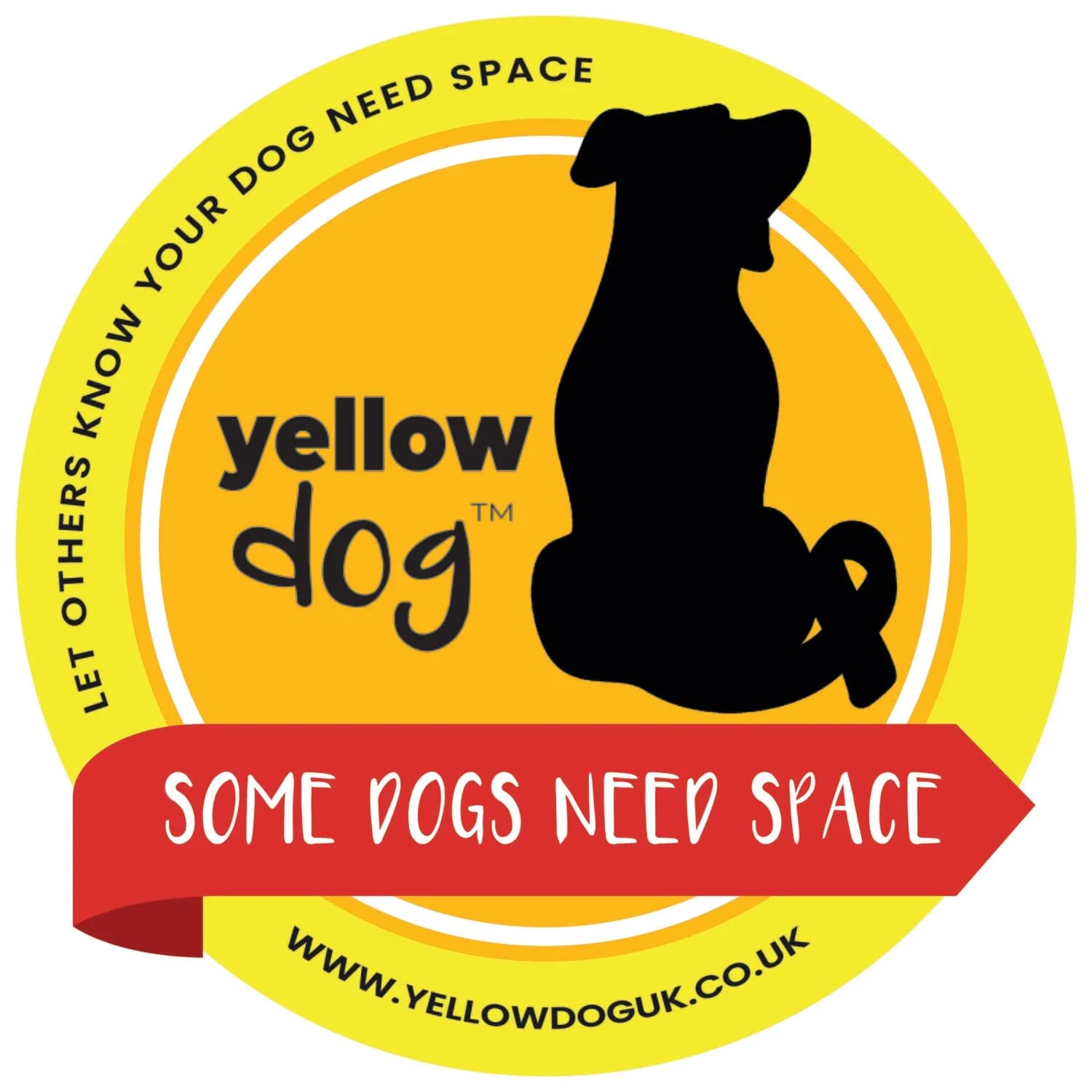
The Yellow Dog campaign offers a simple way for owners to communicate their dog’s needs. A yellow bandana, lead, vest or lead cover signals that a dog needs extra space — not because they are dangerous, but because they deserve a little more understanding from the people around them.
As the UK continues to embrace dog-friendly culture, Yellow Dog UK hopes that awareness will help create spaces that are not only welcoming, but genuinely comfortable for every dog.
Because a truly dog-friendly space is not just one where dogs are allowed — it is one where every dog has the chance to feel safe.